
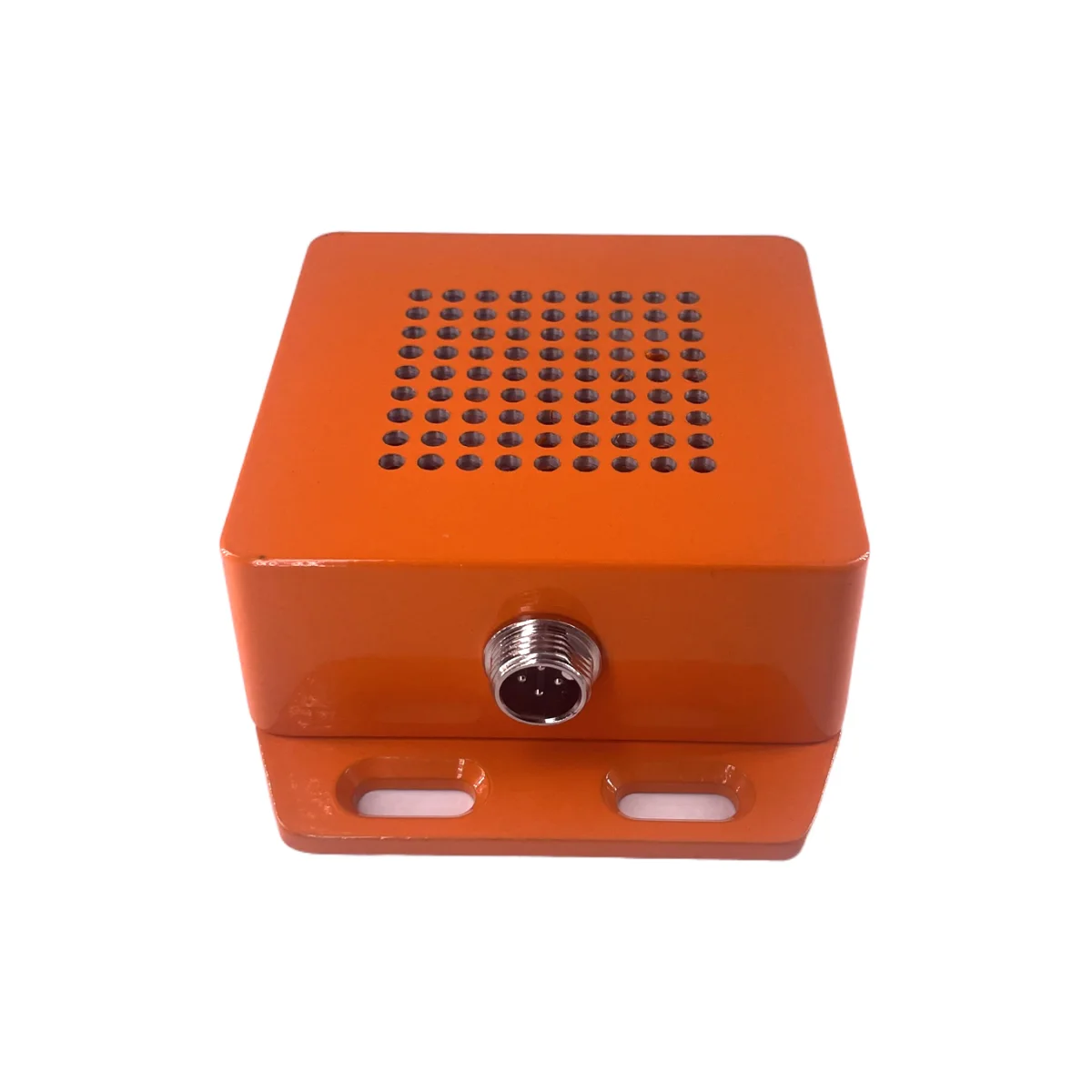
GMJA400-S-CP Composite Gas Detection Module
Composite module in a machined aluminium housing: one to six gases, with temperature and humidity on request.
View specs →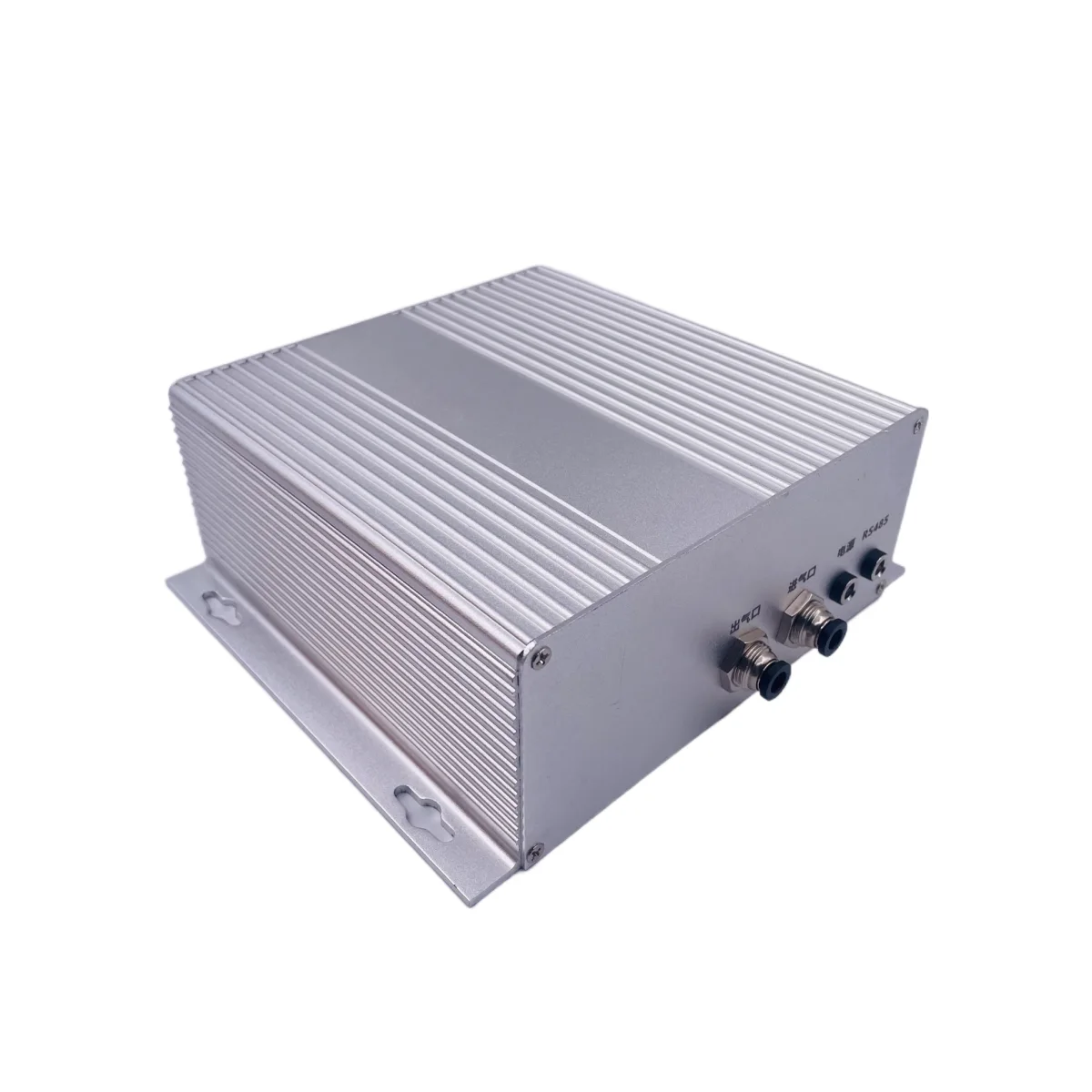
The base module of the Anhe series: one to six gas channels on a single board, 500+ gas options, six sensing principles.
The GMJA400-S is the base model of the Anhe series, an industrial gas detection module that integrators embed into their own instruments. One board carries between one and six sensor channels, and the channel set is chosen at order: combustible, toxic, VOC or oxygen, plus temperature, humidity, dust or particulate matter where the application needs them.
Six sensing principles are available (electrochemical, catalytic bead, NDIR, PID, thermal conductivity and semiconductor), so the same module footprint serves a ppm-level toxic channel and a %LEL combustible channel at the same time.
Every module ships calibrated across its full range, which removes the second calibration and the firmware work from the integrator's side. Power input spans 3.3 to 24 V DC, the standard output is RS485 Modbus RTU with a 3 km run, and 4G, 5G, LoRa, NB-IoT, WiFi, Bluetooth, UART and BeiDou positioning are available as options.
Values below are for the standard configuration. Gas, range, sampling mode, housing and output are set at order, so confirm against the datasheet before design freeze.
Send the gases, the ranges and the host enclosure. We come back with a model recommendation, the datasheet and a price.
The specification above only makes sense alongside the constraints behind it. These notes explain how the numbers on this page are usually set.
Most of these take one email to answer. The four that matter most are the ones about certification ownership, firmware control, tooling and support, and they are the four buyers ask least often.
Read the guide →Three certification systems look similar on a datasheet and are not interchangeable. This is how to read the marking and check the paperwork behind it.
Read the guide →A duplicated address does not stop the bus. It produces one garbled reply and a working system, which is why it survives commissioning. The symptom is intermittent, so the diagnosis has to be systematic.
Read the guide →A cell that costs half as much and lasts a third as long costs more. Five-year cost is dominated by replacement interval, calibration labour and the cost of the day it stops working.
Read the guide →Four principles cover most industrial gas detection. Picking the wrong one gives readings that look plausible and are wrong, so the decision comes before the model number.
Read the guide →Two numbers appear on almost every combustible gas detector, and they are not competing recommendations. They do different jobs, and conflating them is how alarms end up bypassed.
Read the guide → Composite module in a machined aluminium housing: one to six gases, with temperature and humidity on request.
View specs →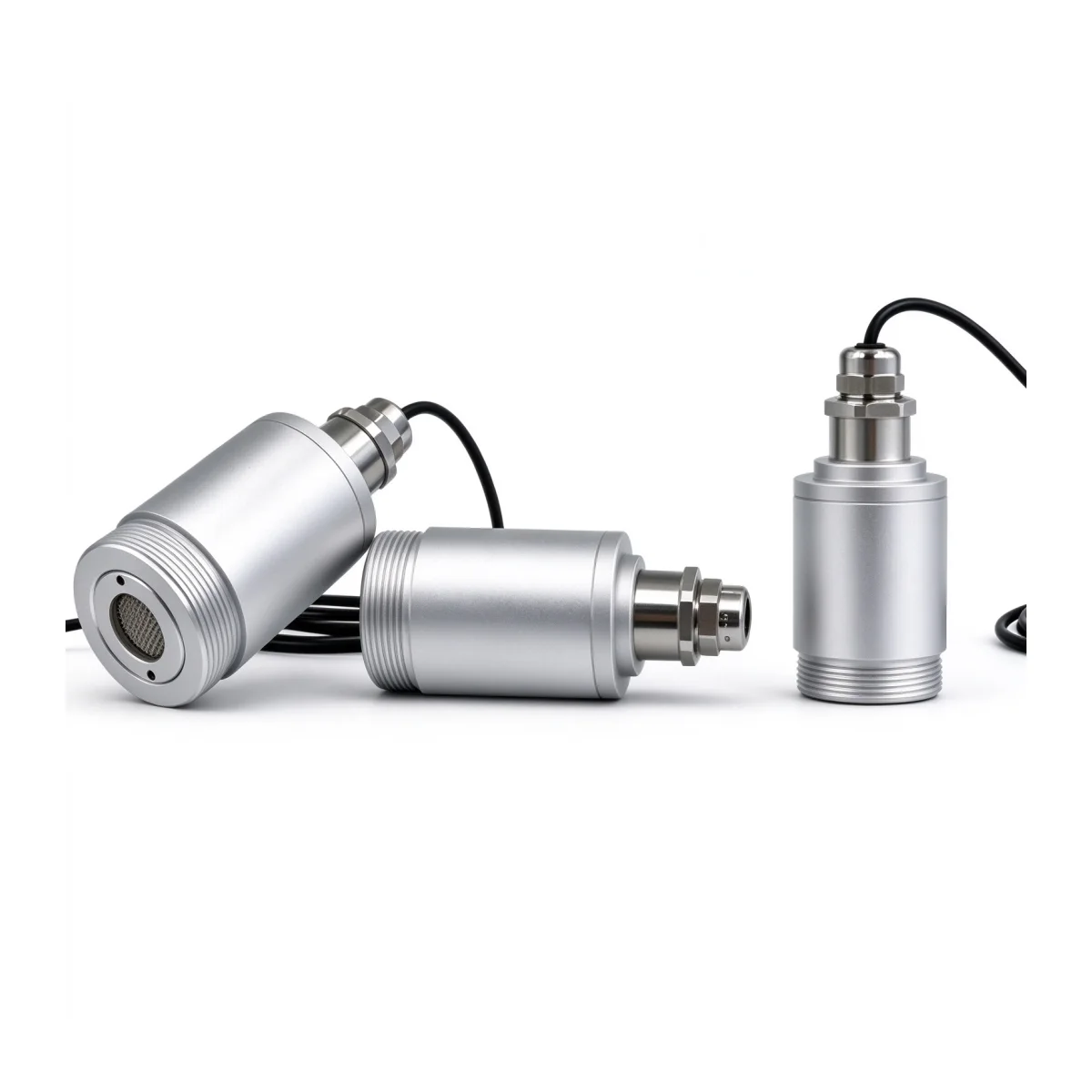
A single gas channel in a 97 × 42 mm aluminium barrel, IP65, about 200 g. Built for fixed integration.
View specs →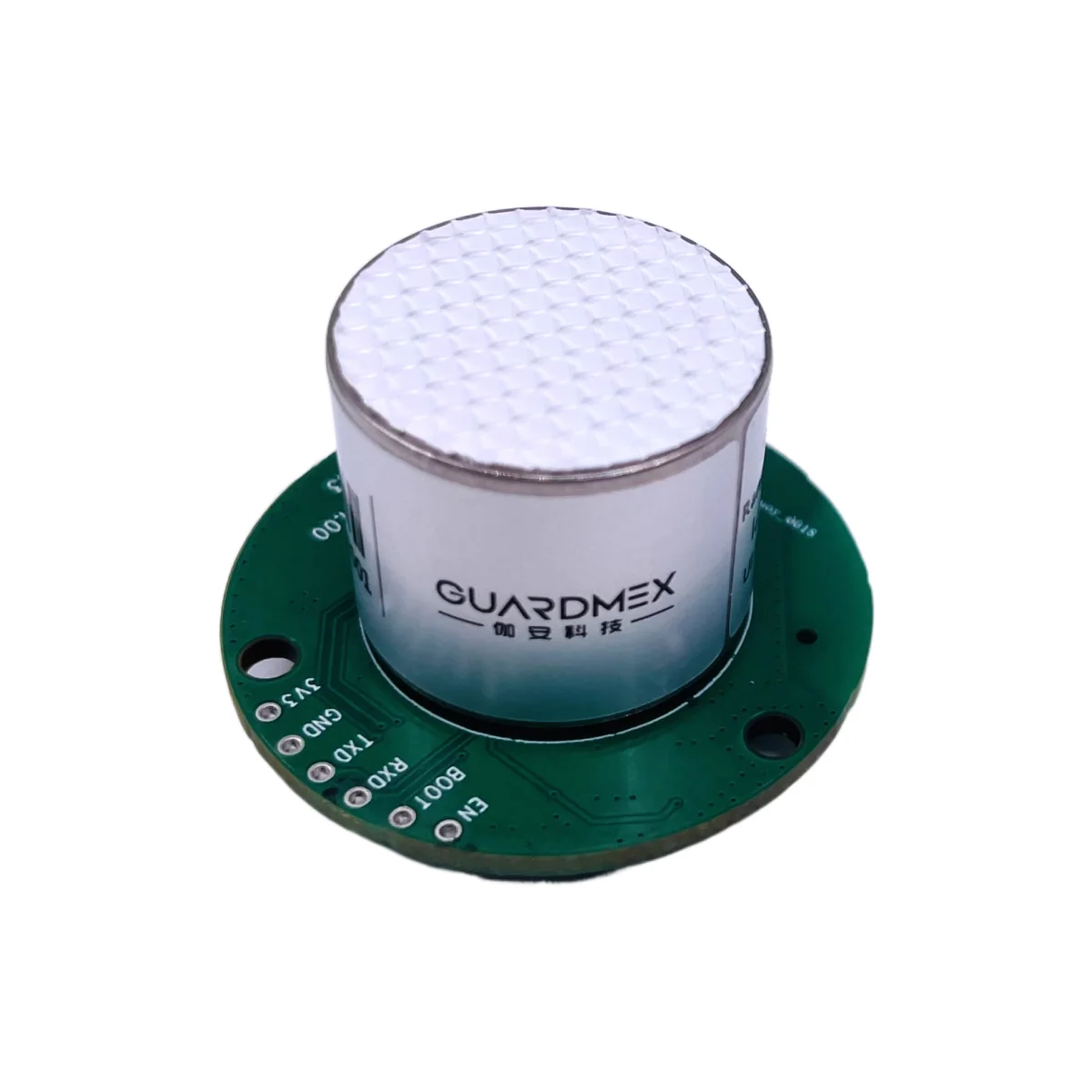
35 × 25 mm and about 30 g, the smallest module in the Anhe series. Sized for handheld and wearable terminals.
View specs →