
Detection Modules
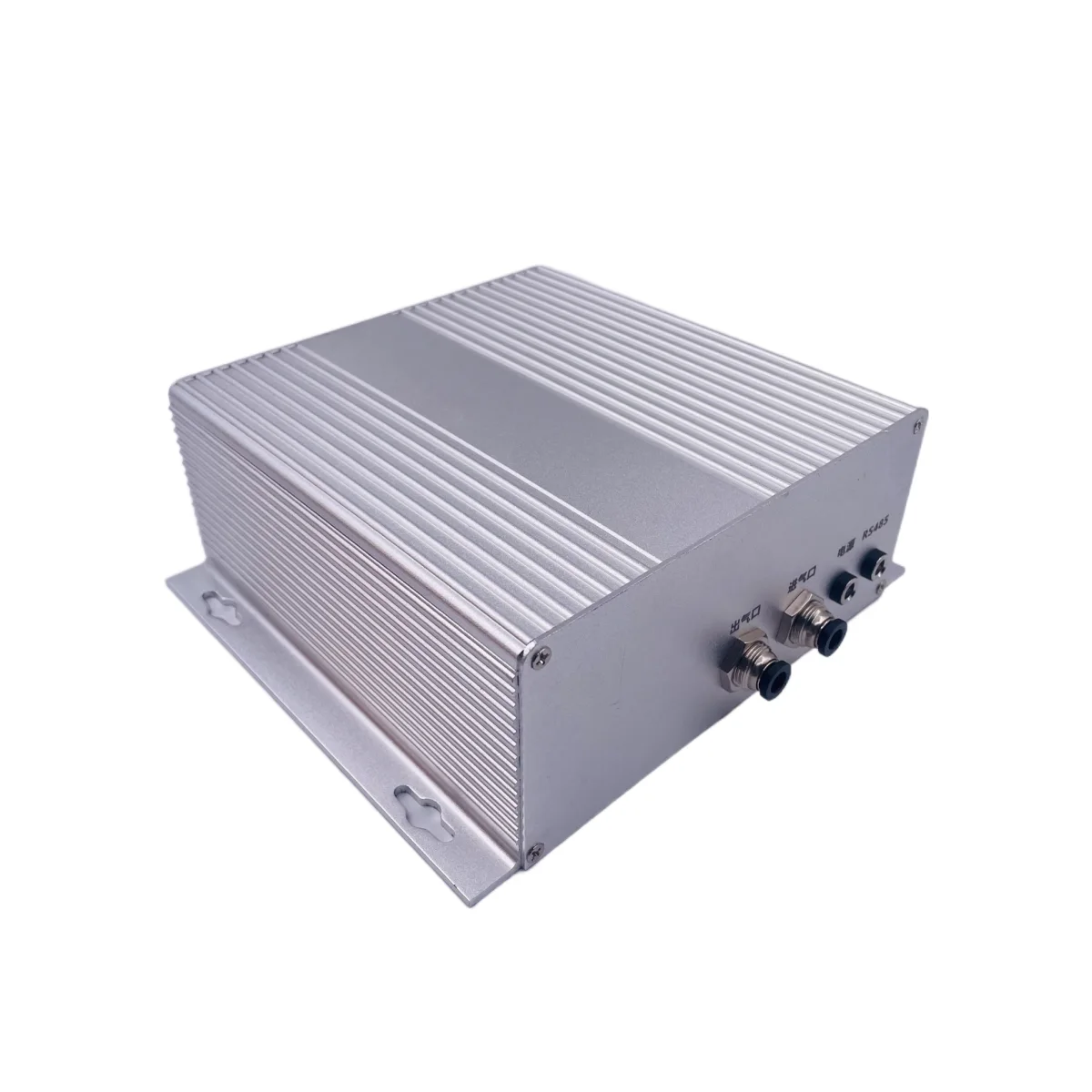
GMJA400-S Multi-Gas Detection Module
The base module of the Anhe series: one to six gas channels on a single board, 500+ gas options, six sensing principles.
View specs →OEM detection modules for instrument makers, and complete monitoring layouts for the industries that use them. You name the gas and the site; we specify the hardware, the detection points and the alarm logic.
Six settings written up in detail: which gases matter, where the detection points go, what the alarm should do, and the models that cover it.
Phosphine fumigation, CO2 blanketing and oxygen depletion monitored in one system that can drive the ventilation fans directly.
Read the solution →Hydrogen sulphide and methane where they accumulate, with portable checks for the wells that fixed sensors cannot reach.
Read the solution →Combustible, toxic and VOC channels in hazardous areas, with corrosion-resistant housings and interlocks to process equipment.
Read the solution →Bunker and tipping hall monitoring that survives dust and heat, with multi-stage alarms that protect the sensors as well as the people.
Read the solution →A payload small enough to fly and tough enough to walk, turning a fixed monitoring network into a survey tool.
Read the solution →Paint, weld, engine test and battery assembly produce four different gas problems; the design uses one alarm strategy across all of them.
Read the solution →Four of the 8 models in the current catalogue. Full specifications are on each product page.
The base module of the Anhe series: one to six gas channels on a single board, 500+ gas options, six sensing principles.
View specs →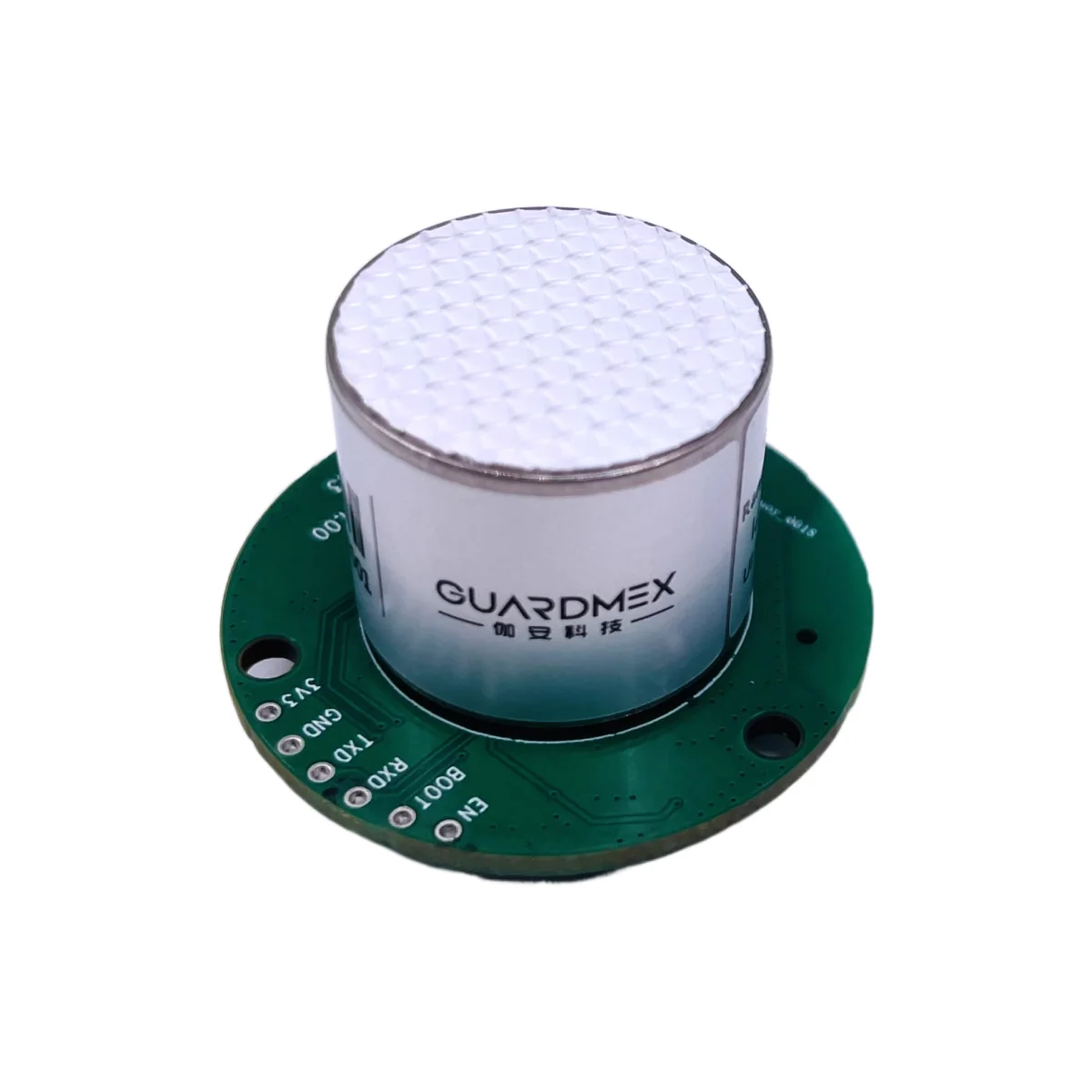
35 × 25 mm and about 30 g, the smallest module in the Anhe series. Sized for handheld and wearable terminals.
View specs →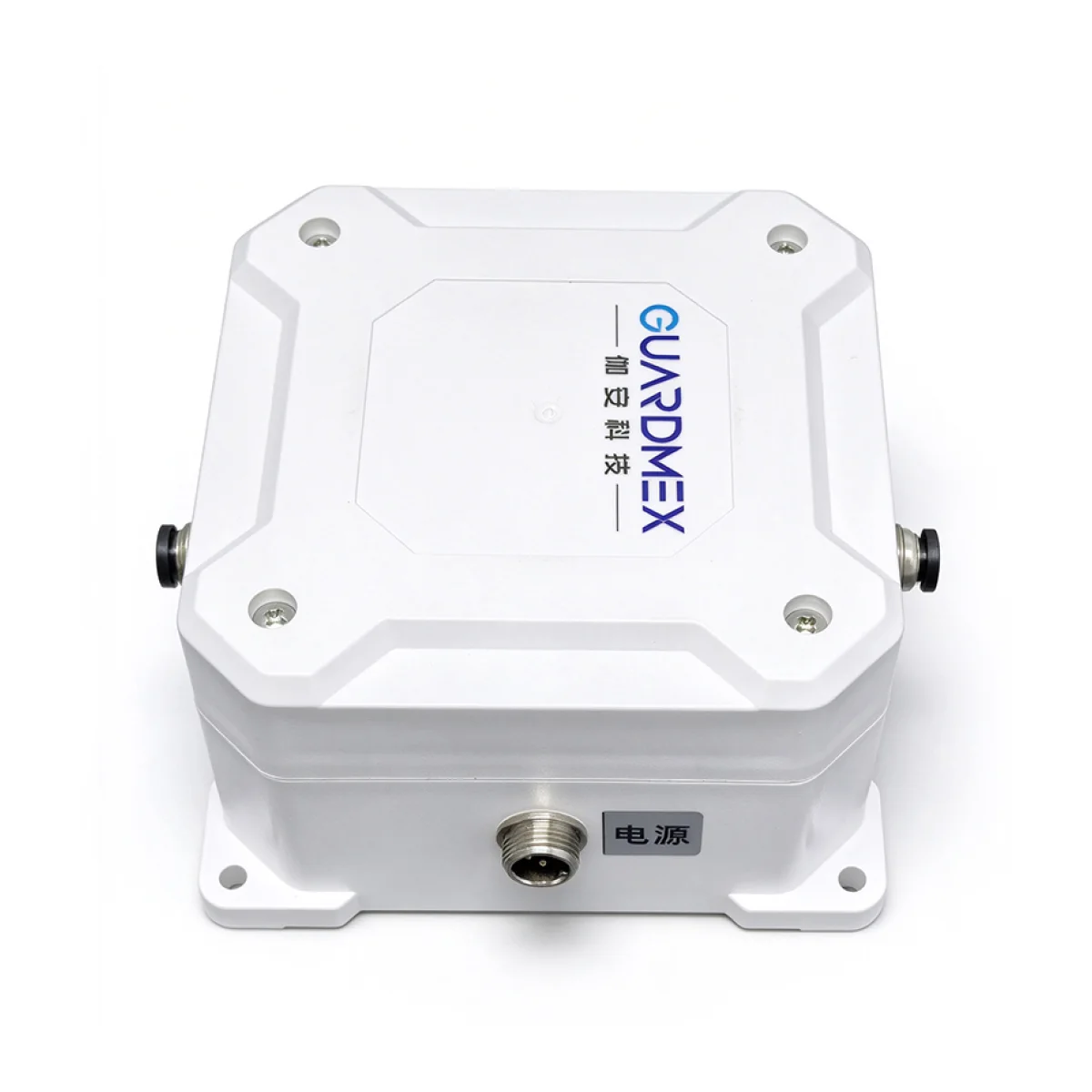
A pumped payload for quadruped robots: up to four gases plus temperature and humidity, IP66, 113 × 113 × 46 mm, about 500 g.
View specs →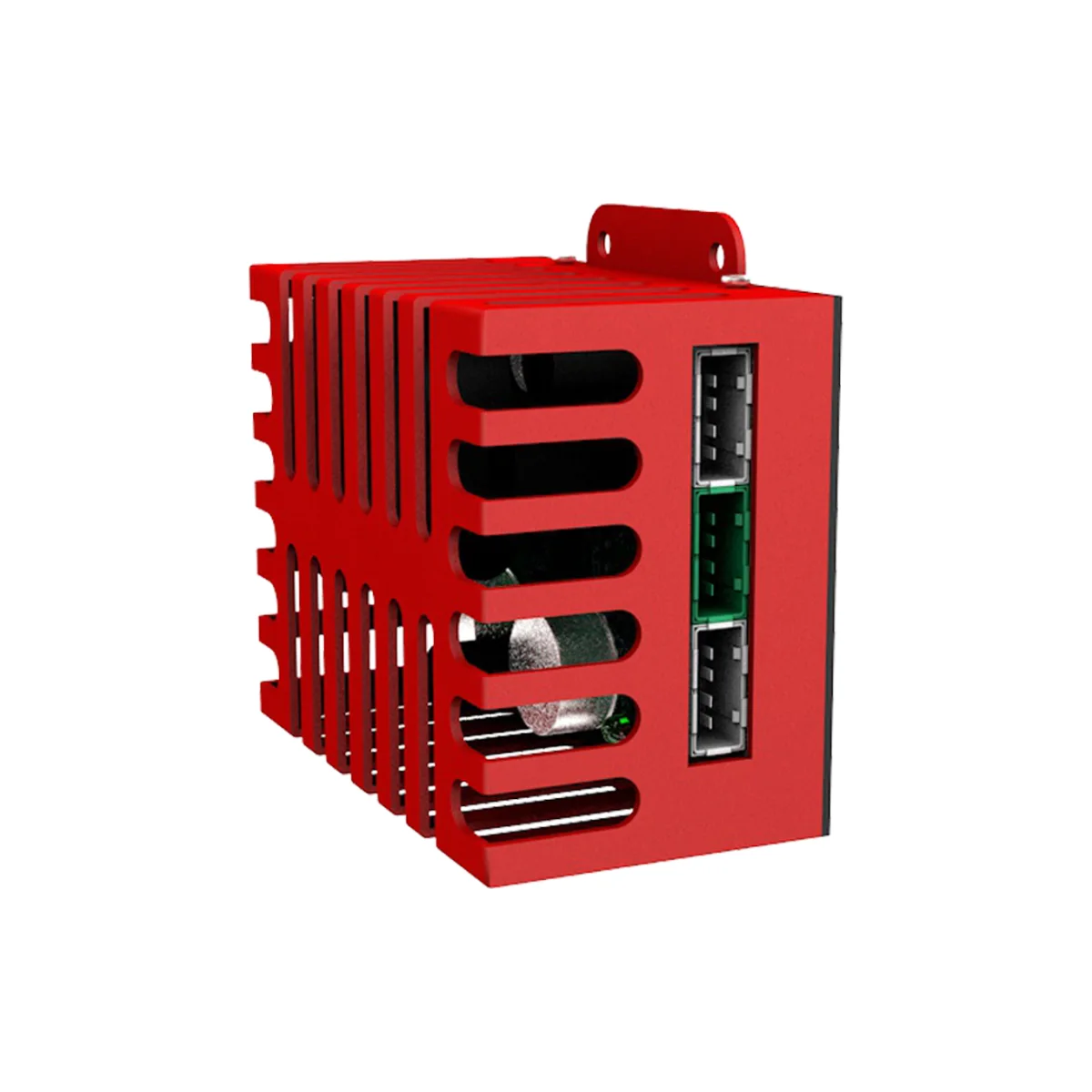
Five parameters in one detector for lithium battery energy storage: hydrogen, carbon monoxide, VOC, smoke and temperature.
View specs →Three of the ten project references. Client names are withheld on most of them, at the client's request.
A handheld odour monitor used for boundary and process-area patrols at a municipal plant, replacing spot checks with a logged walking survey.
GMJA1000 · Read the case →Fixed ozone detection in a sterile production area, where ozone is used for disinfection between batches and the residual has to clear before staff return.
GM700 series · Read the case →Trace-level detection of formic acid vapour in a wafer fab, where the acceptable concentration is far below the smell threshold.
GM700 series · Read the case →The four things that decide whether a module is usable on a production line, answered without a sales call.
Every module leaves the factory with a calibration certificate covering its full measuring range. No second calibration rig on your line, no firmware work to convert raw counts into engineering units.
Electrochemical, catalytic bead, NDIR, PID, thermal conductivity and semiconductor sensing on the same module footprint, so one design carries a ppm toxic channel and a %LEL combustible channel together.
Multi-channel modules replace stacked single-gas boards, four sets of wiring and four mounting points with one connector. That is less assembly labour and fewer failure points per instrument.
Threaded aluminium barrels, gold-plated contacts and vibration-tolerant structures for quadruped robots, UAVs and handheld terminals, where a box-shaped lab sensor will not survive.
Three guides on the decisions that come first: which sensing principle, where to set the alarm, and which certificate actually applies.
Three certification systems look similar on a datasheet and are not interchangeable. This is how to read the marking and check the paperwork behind it.
Read the guide →Two numbers appear on almost every combustible gas detector, and they are not competing recommendations. They do different jobs, and conflating them is how alarms end up bypassed.
Read the guide →The order on a four-gas instrument is not alphabetical or traditional. It runs from the hazard that kills fastest to the one that kills slowest, and one channel cannot be trusted until another has been read.
Read the guide →The first digit is dust and both grades pass it. The second digit is water, and the gap between a 12.5 litre jet and a 100 litre jet is the gap between a hose and a pressure washer.
Read the guide →Zeroing in ambient air assumes the ambient air contains nothing. In a plant it usually does. Span needs a concentration that someone has measured and certified, or the instrument is being told a number that is not true.
Read the guide →A duplicated address does not stop the bus. It produces one garbled reply and a working system, which is why it survives commissioning. The symptom is intermittent, so the diagnosis has to be systematic.
Read the guide →A cell that costs half as much and lasts a third as long costs more. Five-year cost is dominated by replacement interval, calibration labour and the cost of the day it stops working.
Read the guide →Four principles cover most industrial gas detection. Picking the wrong one gives readings that look plausible and are wrong, so the decision comes before the model number.
Read the guide →Most of these take one email to answer. The four that matter most are the ones about certification ownership, firmware control, tooling and support, and they are the four buyers ask least often.
Read the guide →Specifying 0-1000 ppm where 0-100 ppm would do costs accuracy exactly where the alarm sits, and can hide a leak until it is large. Range selection is an accuracy decision.
Read the guide →We reply with a model recommendation, a datasheet and a price within one working day.